The goal was to create a modern, elegant, and user-friendly website that would not only attract potential clients but also provide a seamless online experience, showcasing the studio and allowing customers to book appointments and explore services.
I’m passionate about empowering creators with no-code web design tools. My mission is to bring your digital visions to life quickly and effectively.
“Marketing is about solving problems.”
– Clayton Christensen
Introduction
Just like technology evolves at a rapid pace, the mentality of the people changes too. This forms society and completely reshapes our understanding and methodology of economics and marketing. As the world changes, the companies must adapt too - though it is hard to keep pace as Gen. Alpha still has certain aspects on which we still research. To my understanding, the ideas behind products and services need to be reshaped and formed - we could say adapt - to the most recent needs and desires in a way that is aligned with them.
To have a wider field of view and information on this so-called "new mentality" I tried to research key areas and elements that would significantly impact our success whether we aim to sell products or services. Since there are different factors in play - such as the sociological background, countries' mentality - influenced by traditions and habits -, as well as generations, that present unique and completely different challenges - although more research seems to underline the fact that social media usage seem to lower our attention and patience spam - thus a shorter period of materials could be the solution to grip attention for people of different ages.
I write in this article about some successful marketing and PR strategies in 2024 and bring some implementable examples, which hopefully bring new ideas to the reader. I included AI as well, as it would form our society more than more people anticipate. Due to its transformational effect, this industry will renew itself as well - along with the rest. I aimed to be as general as possible while trying to keep in mind that most of us want 'real, short and straight answers' to their problems, issues, questions… I bring some research and articles (see the end of this article), as well as my knowledge to write this post to have a reliable source for the reader.
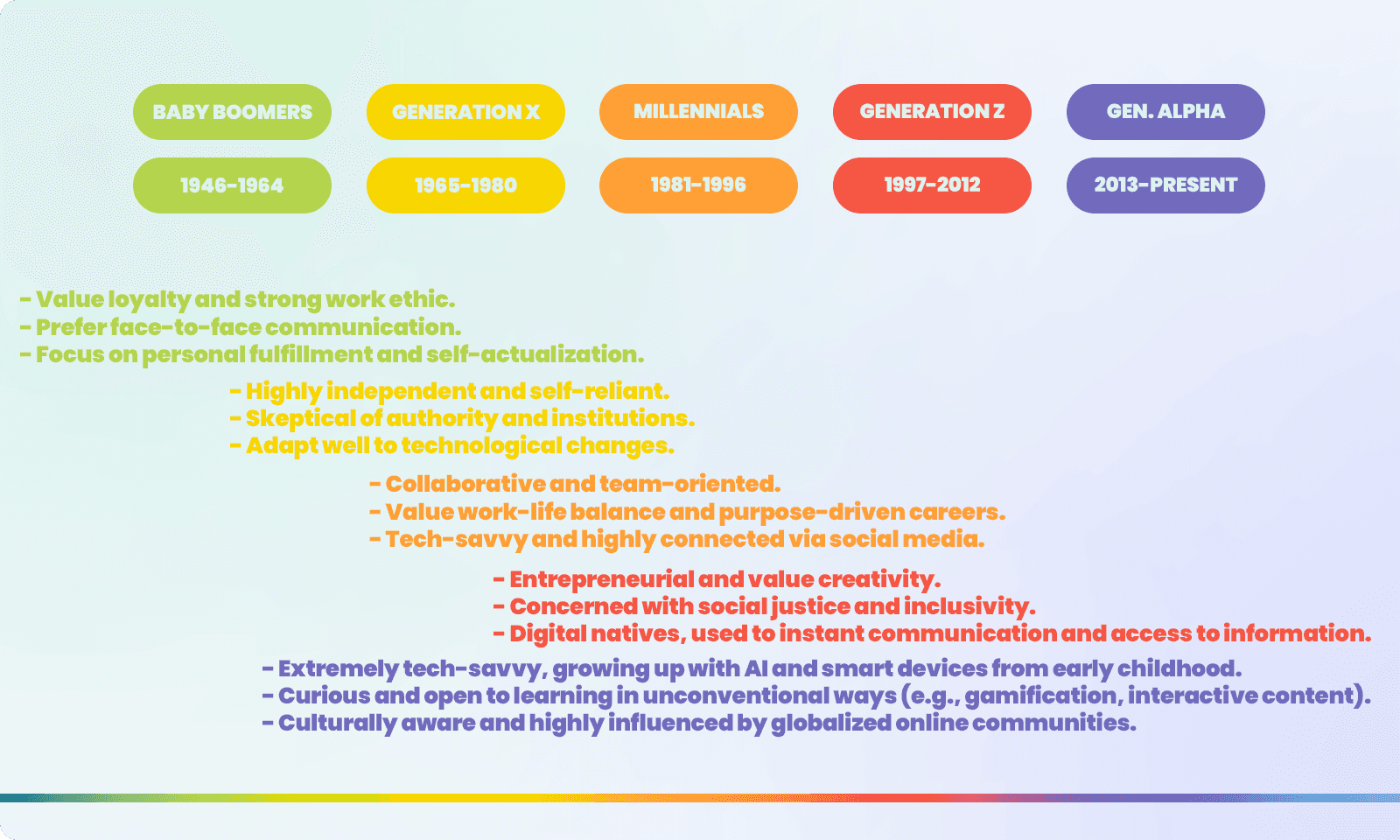
Quick overview of generations and preferences
Depending on the product or service we would like to sell, it is advisable to be familiar with the background to aim properly at the group wanted to reach. In this chapter, I am going to break down each generation and the form of content they consume, while including the type of strategy that should be followed.
Baby Boomers (1946–1964)
Marketing: Traditional Media: Baby Boomers still consume a lot of traditional media (TV, radio, newspapers). They appreciate clear, straightforward advertising that highlights value, product longevity, and personal benefits. Using products for a longer period is what they aim for. - It also reflects the characteristic of this generation, which is the lower amount of change, the better.
PR Strategy: Building on reputation: Showing the company's long history and highlighting trustworthiness and reliability helps them with engagement. A good local reputation can also be advantageous.
Generation X (1965-1980)
Marketing: Multi-channel approach: Generation X is on the edge of newer sources of media and older ones. They are kind of tech-savvy but still appreciate traditional media. (email, social media, TV, radio, etc.) They focus on time-saving, and convenience, often practical solutions with problem-solving products or services. Cost-efficiency is the keyword (s) to them.
PR Strategy: Honest and direct communication: They appreciate honesty and transparency. It is advisable to emphasize authenticity and reliability in brand communication. If an ad conveys deeper thoughts, or new information, that helps them in decision making.
Millennials (1981-1996)
Marketing: Social media and influencer marketing: This generation engages deeply with social media platforms, they can also create shareable content, memes, videos, and other form of materials. They care about ethical background and sustainability too. Sharing data and personalized experiences while addressing their specific preferences could help.
PR Strategy: Authenticity matters: They are skeptical of traditional PR tactics and prefer authenticity. Using real stories and experiences could be beneficial to form some sort of emotion between human-product, and human-service. They like to have two-way conversations and engagement on platforms like Facebook, Instagram, and Twitter.
Generation Z (1997-2012)
Marketing: Video content and short formats: Gen Z prefers to have short format media experiences on platforms like TikTok, YouTube-Instagram (Reels). Using 10-15 sec videos can play the right strategy with them, which grabs attention quickly and conveys messages fast. Promoting equity, and social justice, bigger issues can resonate with them. Using AI, AR, or VR could be engaging too.
PR Strategy: Fast and Authentic response: Gen Z expects fast and straight-to-the-point communication. They trust each other's reviews, and do more research on products and services before making a decision. Encouraging customers to leave a comment on your product (optionally with images), and service could be beneficial too. You can later on amplify their opinions through PR. A company needs to be open to criticism and take it well - use it for improvement.
Generation Alpha (2013-Present)
Marketing: Gamified content: This generation was born with mobiles and tablets in their hands, hence strong visual-gamified content, which strongly grabs attention, while not being repetitive could be the key factor in engagement. Strong colors, a constantly changing environment, and completely digital content will be an important marketing step towards them. Since they are not at that age, we can only guess what is coming. In my opinion, they are going to have a kind of different, more laid-back mentality, it is going to be a challenge to motivate them, hence social media platforms will play a bigger role in their life.

Differences in media consumption across countries
The countries do not share the same history, cultural values, or traditions, which also play a significant role in media preferences. I will break down some to emphasize the difference. We need to do our research before aiming at foreign markets to advertise our product, service.
US: Digital media, especially social media platforms like Instagram, TikTok, YouTube, etc. dominates due to a fast-paced individualistic culture. Brands aim to involve influencers or well-known personalities, actors, etc.
Germany: Privacy and reliability are in focus for Germans, emails and informational websites could work, but they also tend to trust more on newspaper or broadcasted sources rather than social media. Facts are more important to them.
Japan: Japanese people are highly tech-oriented, but they are still a traditional society, appreciating values and traditions. This shows in effectiveness as well. Mobile marketing and print media (magazines) are effective. They emphasize detail and quality. Visually stunning content on LINE (the country's messaging app) could be a key factor too in reaching more people.
Brazil: They tend to use more social media, especially Facebook and WhatsApp, which seem to be the biggest channels for reaching an audience. Radio is also popular there, especially in rural areas - hence real-time interaction is in focus.
India: Mobile is the Alpha-and Omega of marketing in India. They tend to use more smartphones or devices. Off the platforms, WhatsApp and YouTube are preferred. They also watch a lot of TV, hence TV commercials could be beneficial too, due to India's strong family-oriented mentality.
France: French people are critical and seem to lean towards quality content. Print media (newspapers and magazines) hold significant value, also billboards are effective in rural areas. Conveying trustworthiness and reliability is key while focusing on the overall good appearance grabs their attention.
What are the key characteristics of effective marketing and PR material?
Straight to the point: Clarity, Emotional appeal, Authenticity, and alignment with the values of the audience.
I collected some real-life examples:
Storytelling Ads
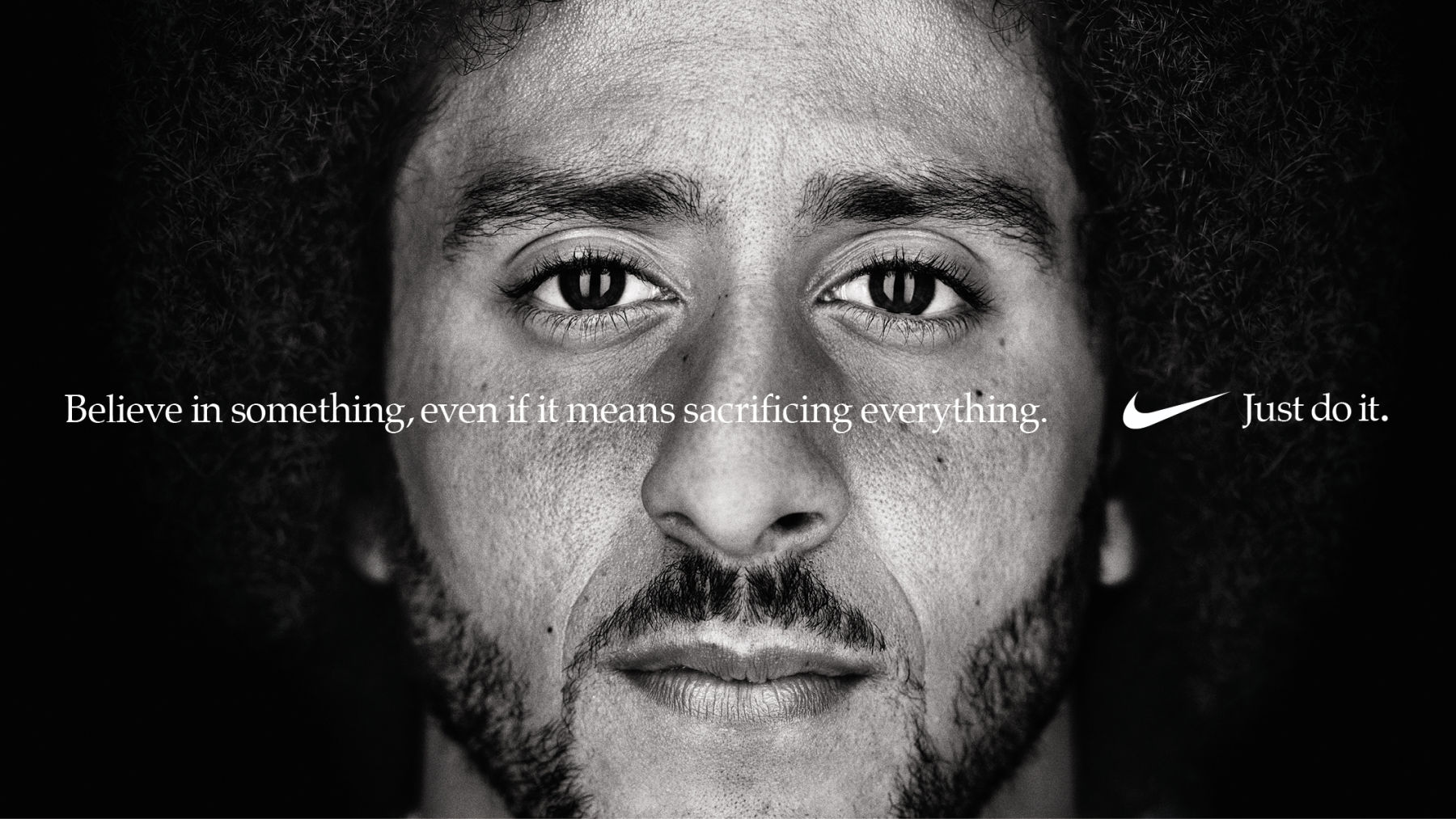
Bring emotional value to the ads, which goes beyond one's self, conveys a clear message, and has memorable visuals while having some sort of motivational effect too.Example: Nike's "Dream Crazy" campaign. Nike was the first company who aimed to showcase the greatness of its sportsmen, hence creating an indirect marketing. (later on, this was applied by Apple too). Clear and short mottos have an easier understanding of the purpose. Creating strong emotional connections and aligning values create a bond between humans and products.
Interactive Social Media Campaigns
User engagement and shareable content create a potential for viral content. Coca-Cola had a campaign called "Share a Coke" where people's names were printed on bottles - having a potential for global outreach via social media shares while having personalized content. Apple's "Shot on iPhone" has some sort of the same effect, where the company used content from private individuals by motivating them for content creation. (this also applies to point 1.)

Video Content
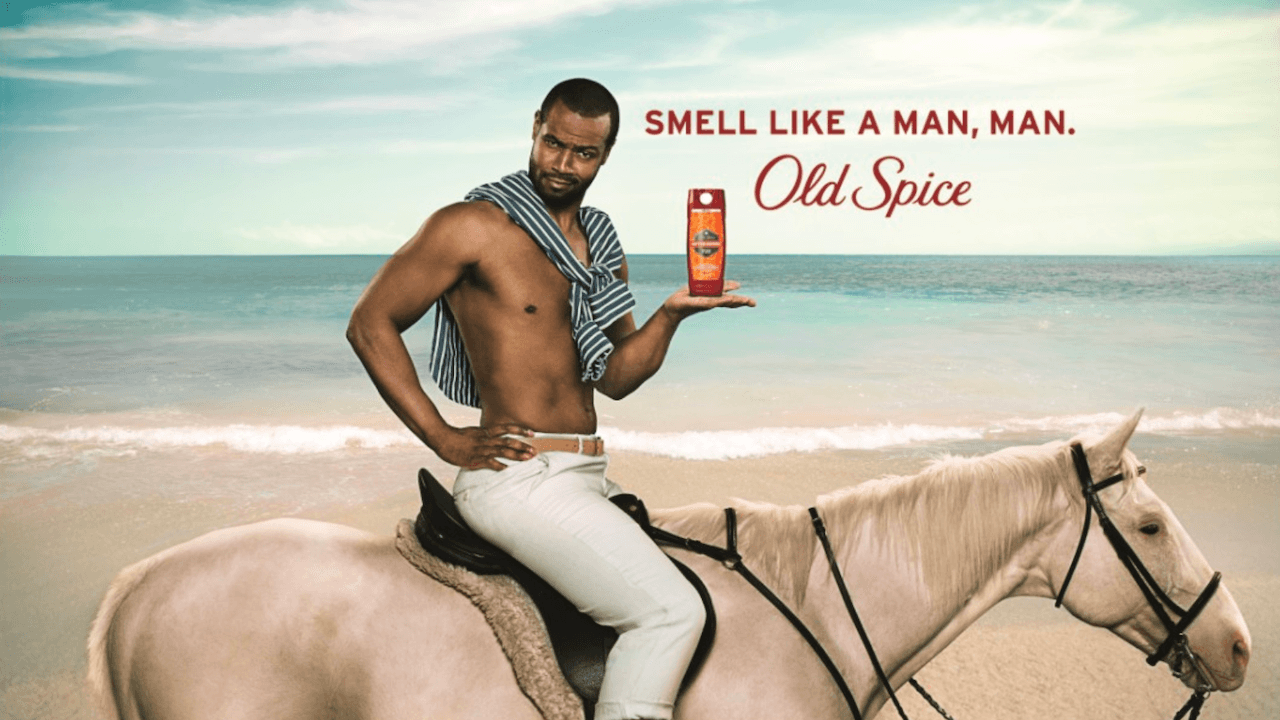
Characteristics: Short, straight to the point, has a punchline, funny, and sharable. A good example is Old Spice's "The Man Your Man Could Smell Like". The YouTube campaign was not only humorous but quirky and widely shared. It was a relatable material with good elements and visuals, creating a bridge between companies and younger generations. They tend to go towards humorous companies, like Ryanair, which creates funny TikTok videos and has some sort of user engagement in the comment section too. (sometimes being harsh also features their characteristic too).
Of the carmakers Lotus stands out, which mixes well-known videos with their content, forming a mass of funny and engaging content, reaching more people.
Branded Content:
It blends entertainment with subtle marketing messages - somewhat like my previous example with Lotus -, but the focus is on the quality of production and attention-grabbing material, like Red Bull's extreme sports content. I think one of the well-known examples is the Stratos space jump, basically pushing human limits, and reflecting brand identity. They sell their message without saying a word. A different example is the Lego Movie. It has not only shown a product but had a storytelling perspective too - generation a different source of income of the movie too.

User-Generated Content
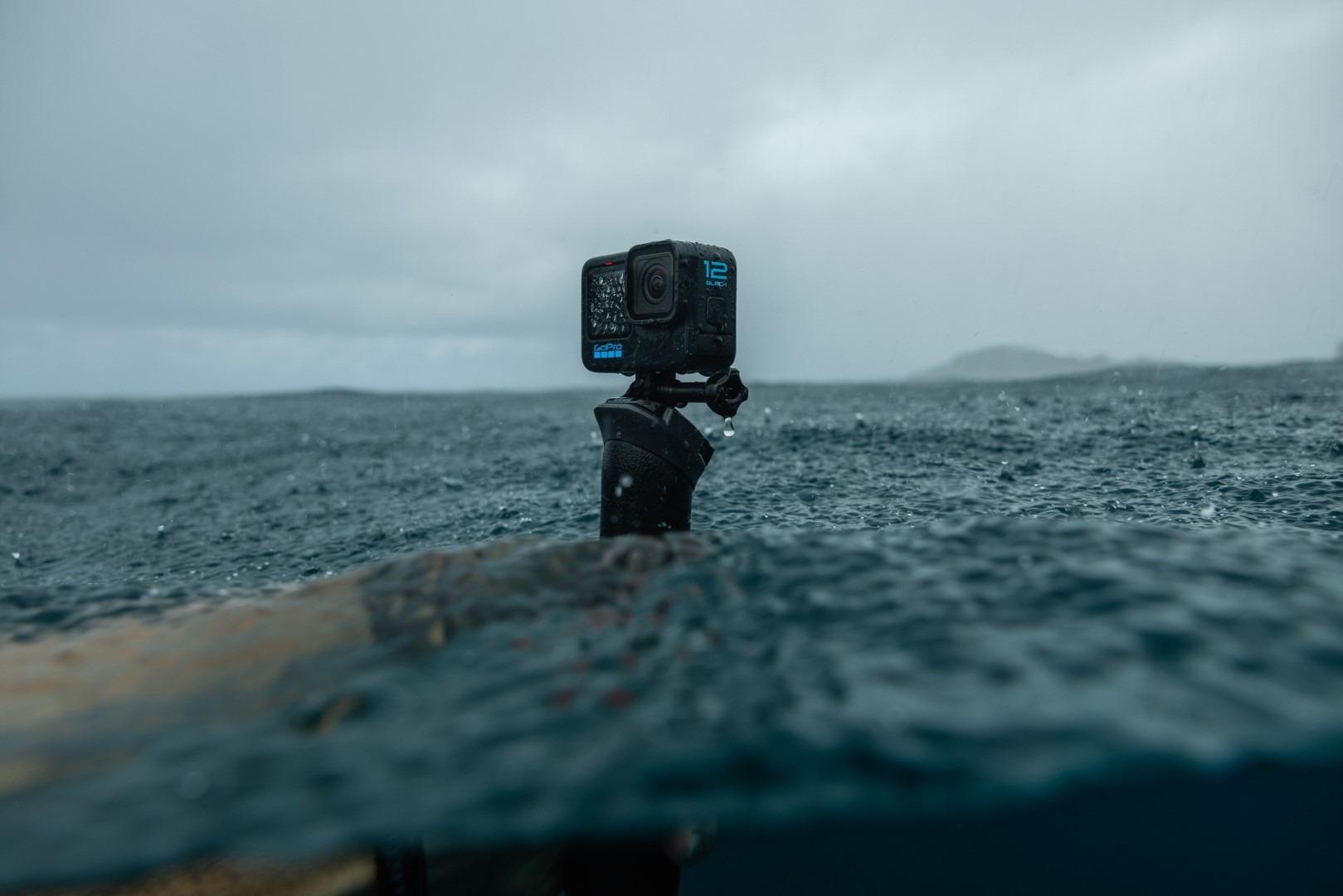
I think the best example that everybody knows is GoPro's "Be a Hero" campaign, where they use user-submitted videos filmed with their GoPro cameras. The company uses them for marketing purposes, to showcase customer experiences - motivating the viewer in a similar way as Red Bull does.
PR Stunts
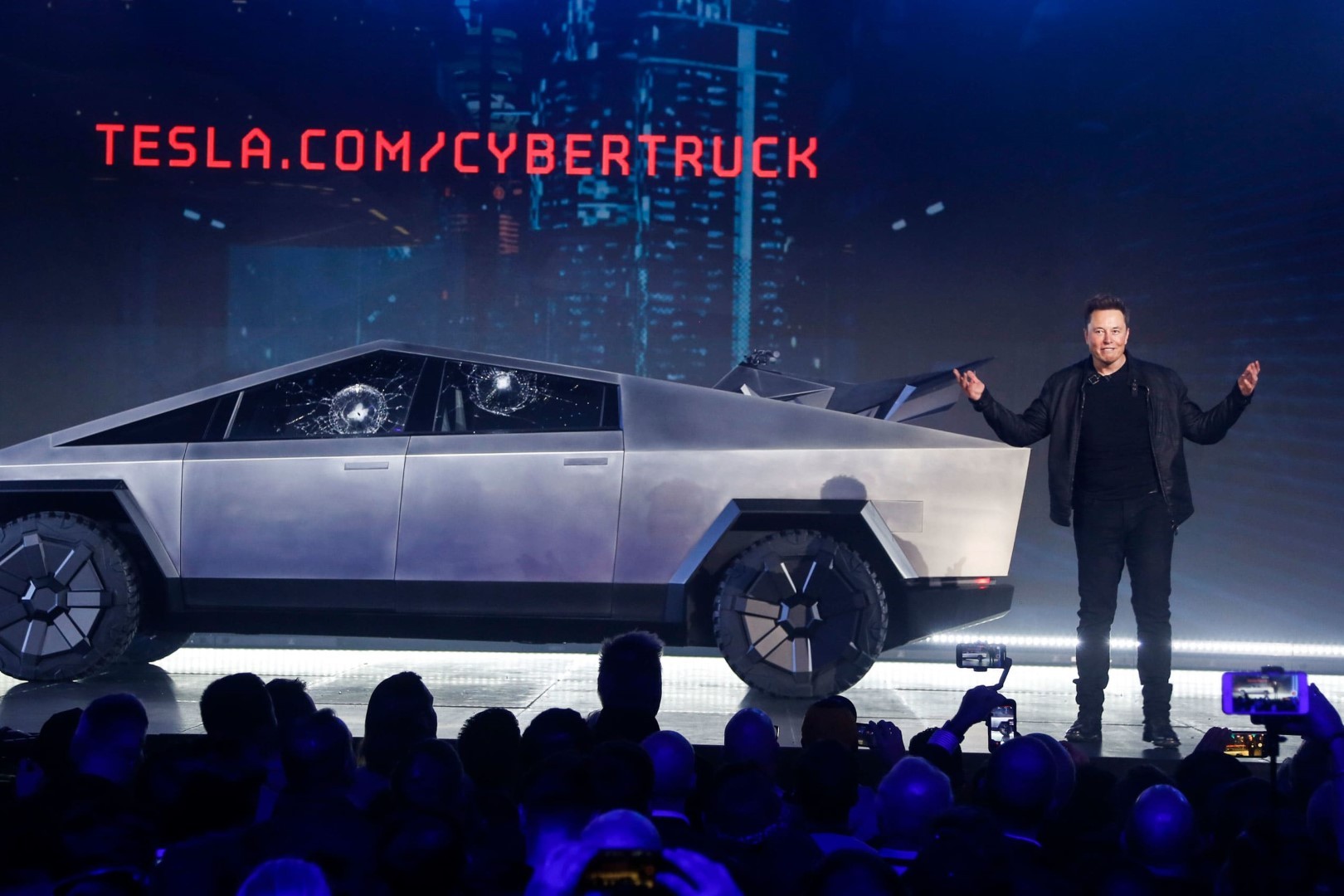
Eye-catching, sometimes unexpected events or occasions that grabs the attention of the media. A good example is IKEA's "Real Life Series" where they recreated popular TV shows' living rooms, from Friends and The Simpsons in their stores. Not only was it engaging, but helps to deepen the connection between their customers. It works in a way as choosing friends - if we have more in common, the better. It was also nostalgic as well, so they brought emotional value too. The other good example is the Cybertruck event by Tesla, where Elon Musk tried to demonstrate the bulletproof glasses of the car, but accidentally cracked the window. It did not go as planned but went completely viral.
Email Marketing
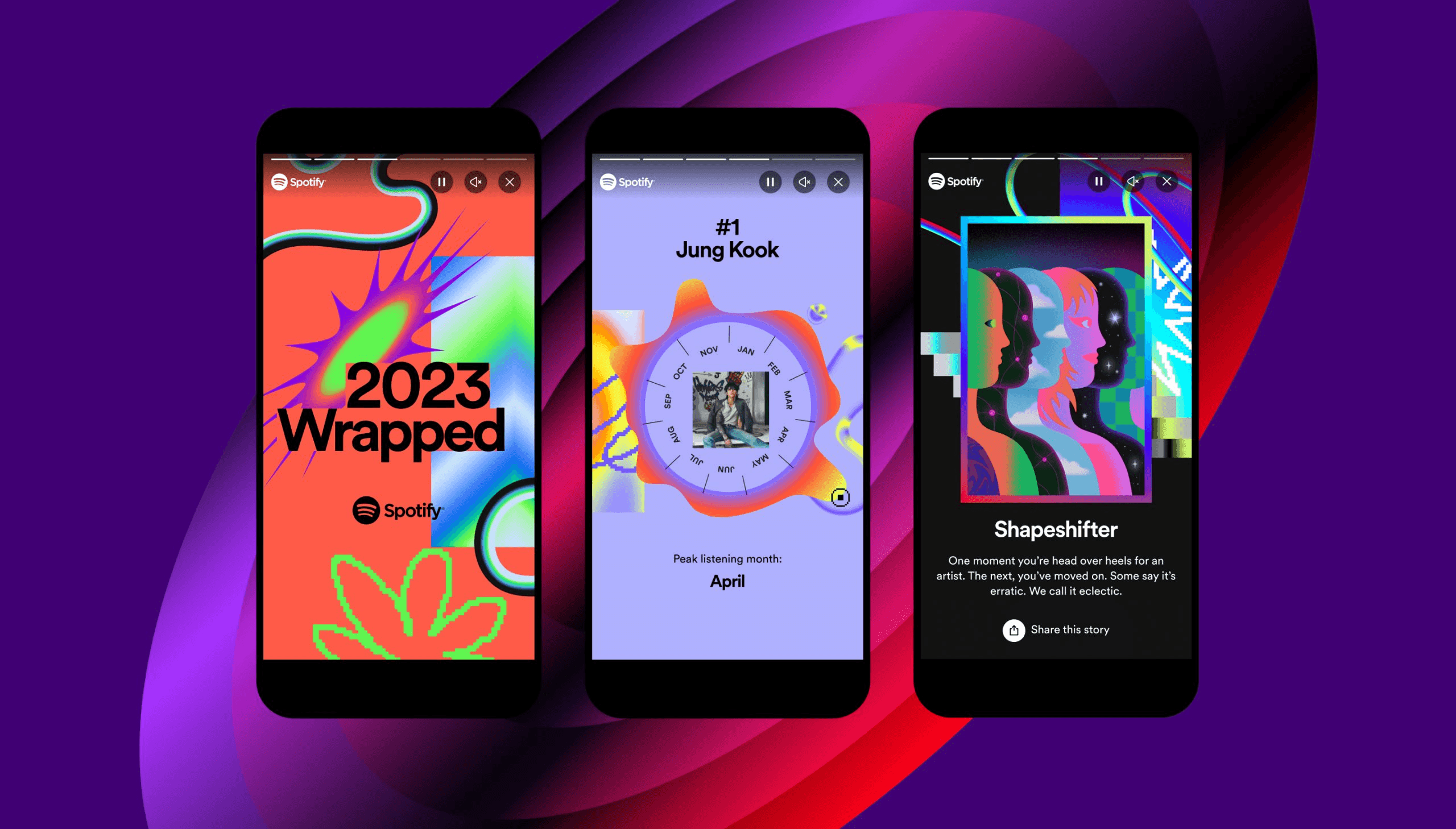
Personalized experience, conveying straight-to-the-point narratives. A good example is Spotify's "Wrapped" email campaign, which sent users a summary of the most listened-to songs in that year - which is also easily sharable on other platforms too, having the potential for a bigger reach. I remember seeing it for the first time. The first year it was used by everybody already around me. Another good example is Charity: water's email updates, where they share personal stories and photos from the field, showing how a contribution impacted lives and communities. These emails are completely personalized and emotional on a deep level.
Crisis Management PR
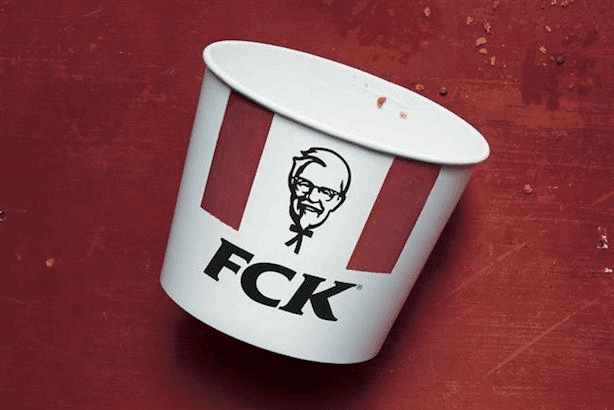
It is basically as it says in the title: dealing swiftly with not-too-comfortable situations, showing transparency and empathy. In the 1980s after a cyanide poisoning incident, Tylenol immediately pulled products from shelves and communicated openly about it. It has rebuilt public trust towards them. Another example: is KFC's response to their chicken shortage in the UK in 2018. They did a humorous ad rearranging their brand logo to spell "FCK" as an apology message, which then was widely praised for its humorous tone.
Experiential Marketing
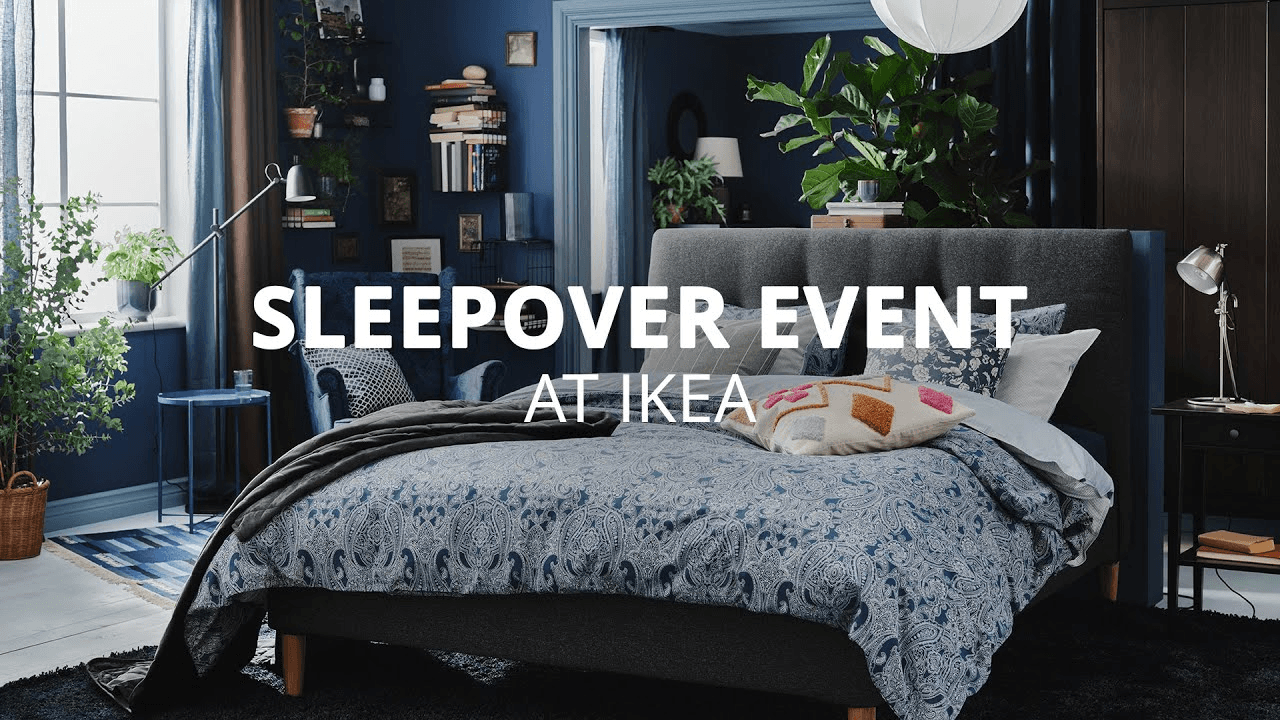
The focus is on the IRL experience of products, like Google's "Home of the Future" pop-up store, where people could try Google Home and other products. It allowed potential customers to interact with them, creating a possibly memorable experience and connection - it is somewhat similar to test drives at car saloons. IKEA also did something similar when they did a "Sleepover" campaign in a UK Store, inviting people to spend a night there. The focus is to motivate customers for action and engagement.
Print Ads
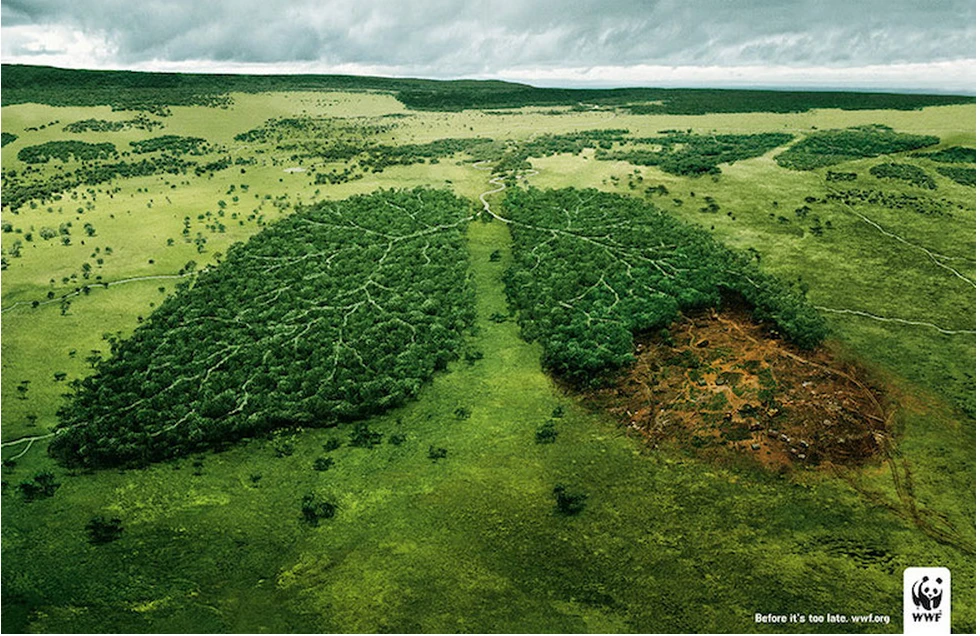
In the 1960s Volkswagen did a "Think Small" campaign, that emphasized the advantages of driving a smaller car. It was humorous and conveyed its message directly. An additional example is WWF's minimalist print ads that created negative space and stark imagery to raise awareness of environmental issues, such as endangered species and deforestation.
I collected some creative ads that could be integrated
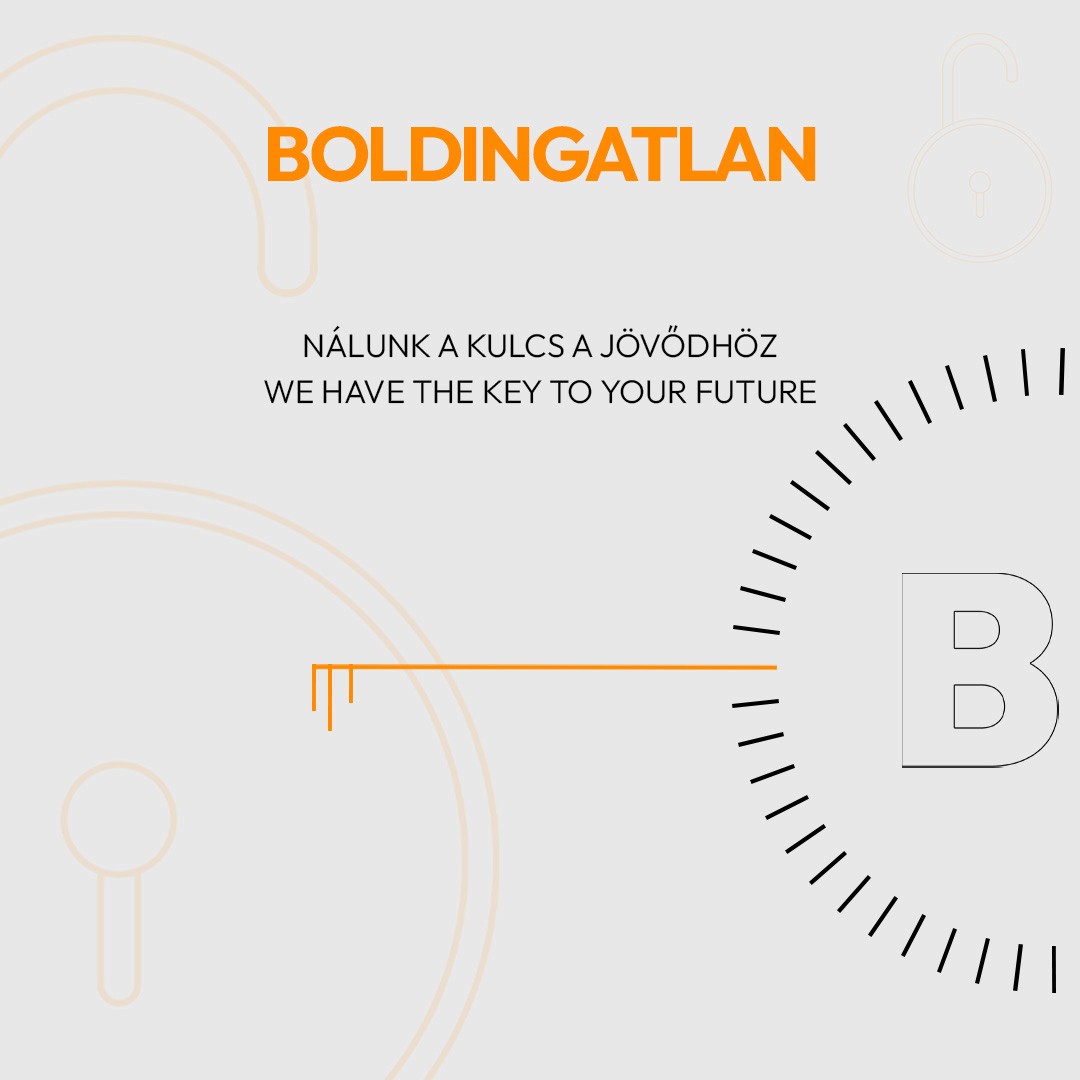
This one was made by me for Boldingatlan - Real Estate Agency. It was my task to come up with a new motto, which we could apply to ads and visual materials, that sounds good and recognizable while sharing a message on what the company does. I collected visual items from the biggest agencies and similar companies worldwide and researched material visualization. After thinking about it for a while. I mixed up the key elements of the motto " We have the key to your future" -> Key, Future-Time, and the company itself. Hence, the B on the right - represents the company itself, and around it is the time-clock ticks which comes out the key on the middle of the image -> putting it into focus, and then the lock on the left which is opened.
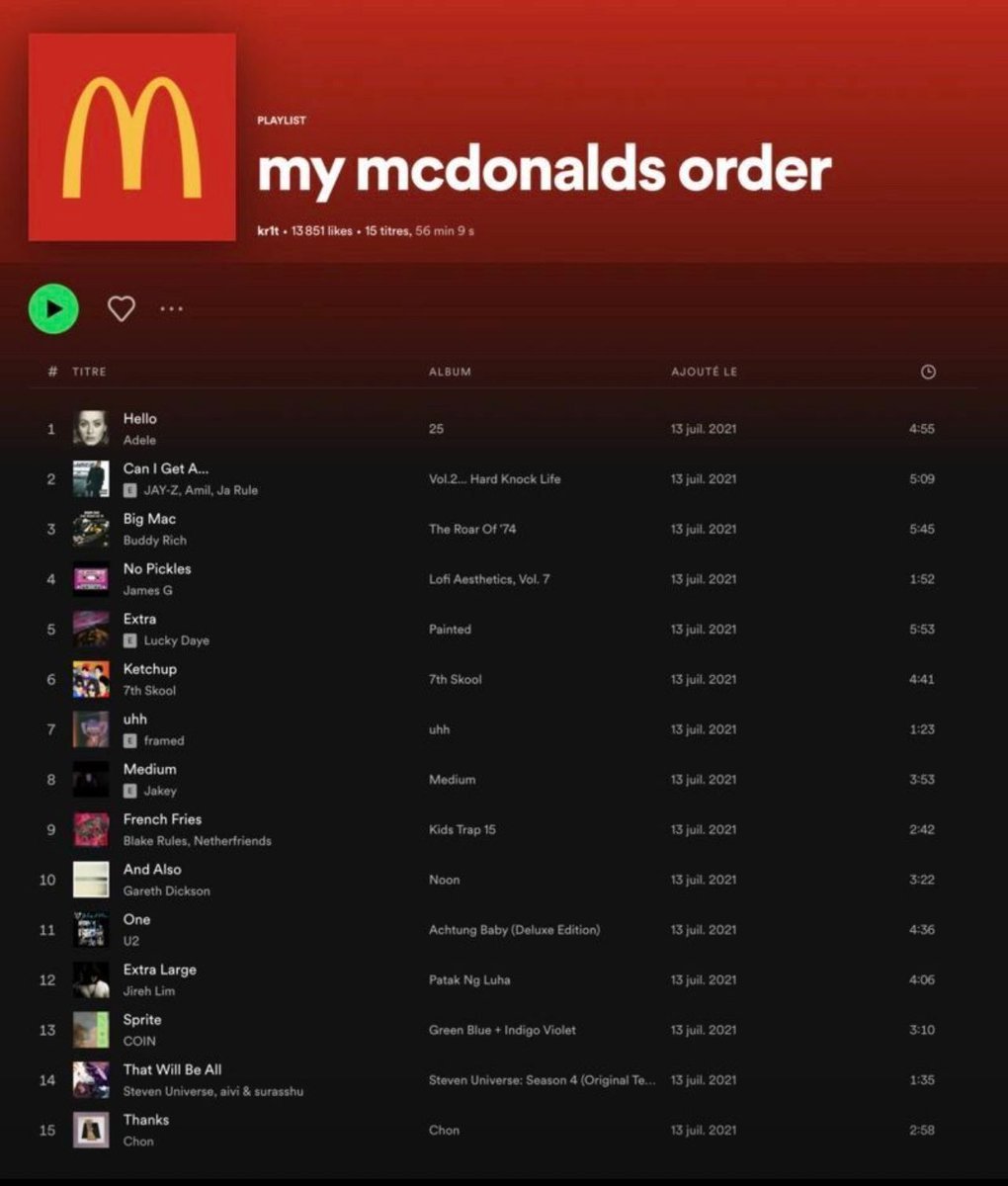
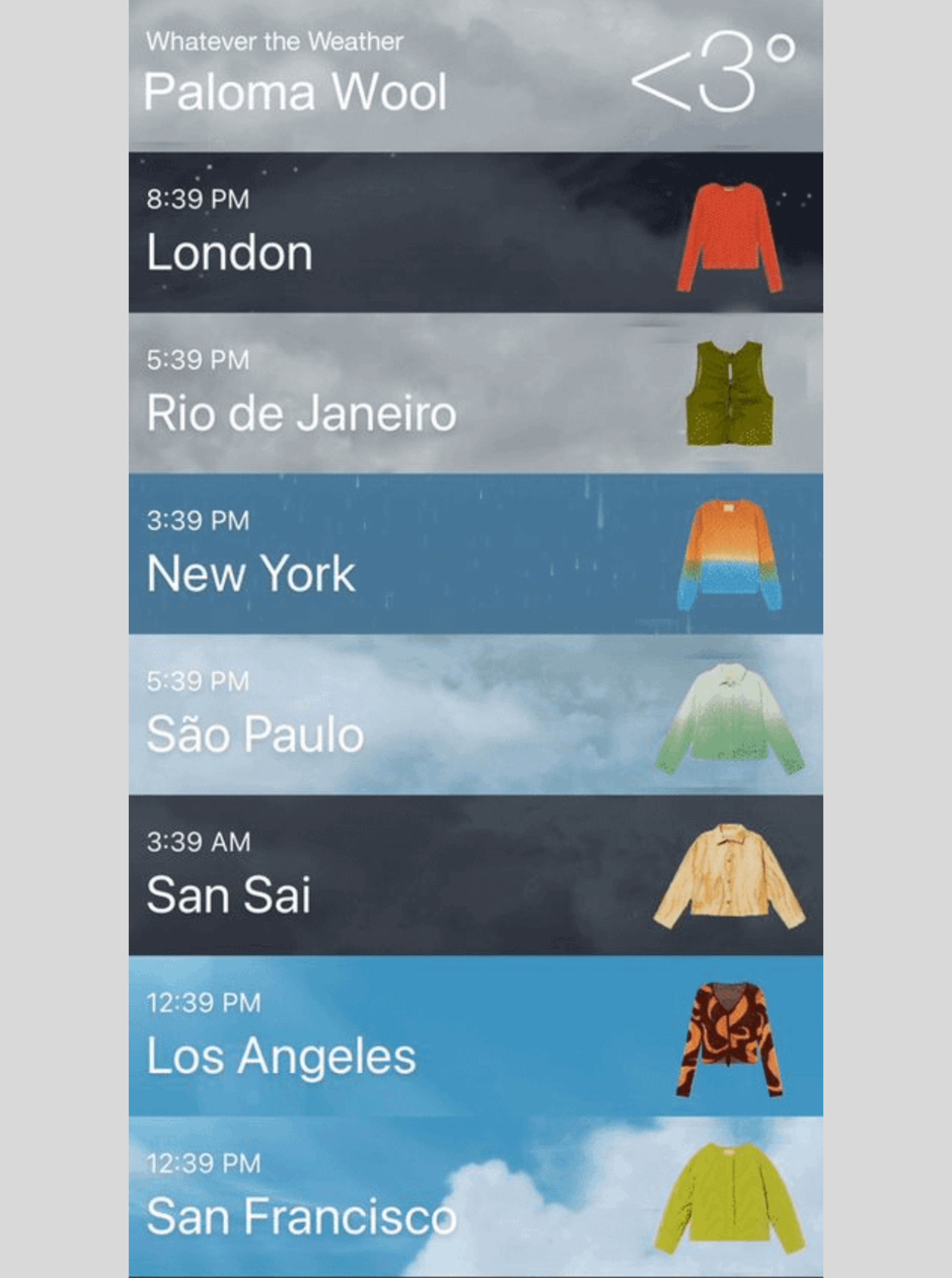
An ad that has cross-platform - similar interface element. It helps to connect to a product faster.

The 10x Problem: Emphasize the problem on a larger scale, to an unrealistic point to describe your message and highlight its importance. Nowadays, this is important, as most the people are so used to "normal stuff". That is why we need bigger houses, cars, fancier items, scarier horror movies, etc. A good ad stands out.
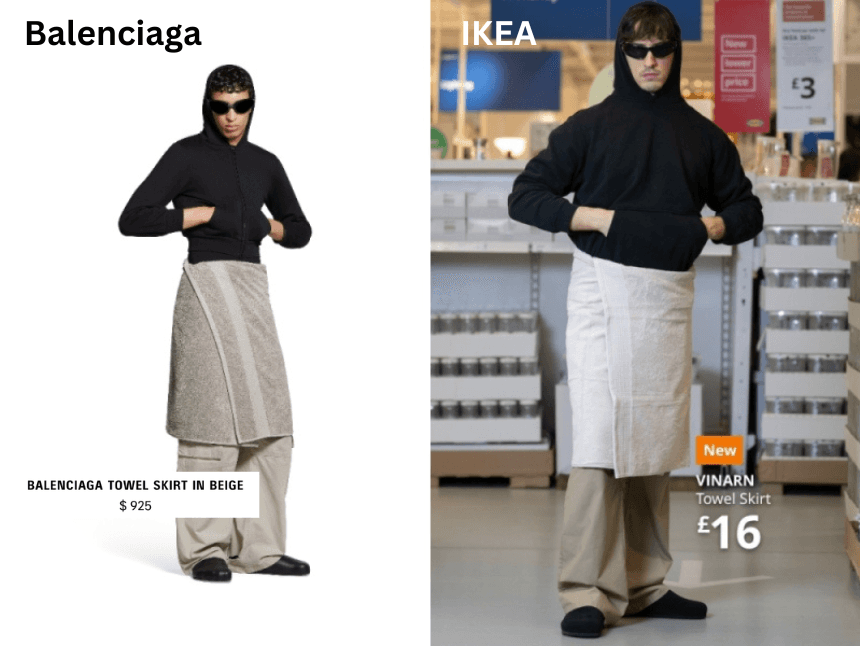
Humorous mockery is beloved by Gen Z and Millennials too.
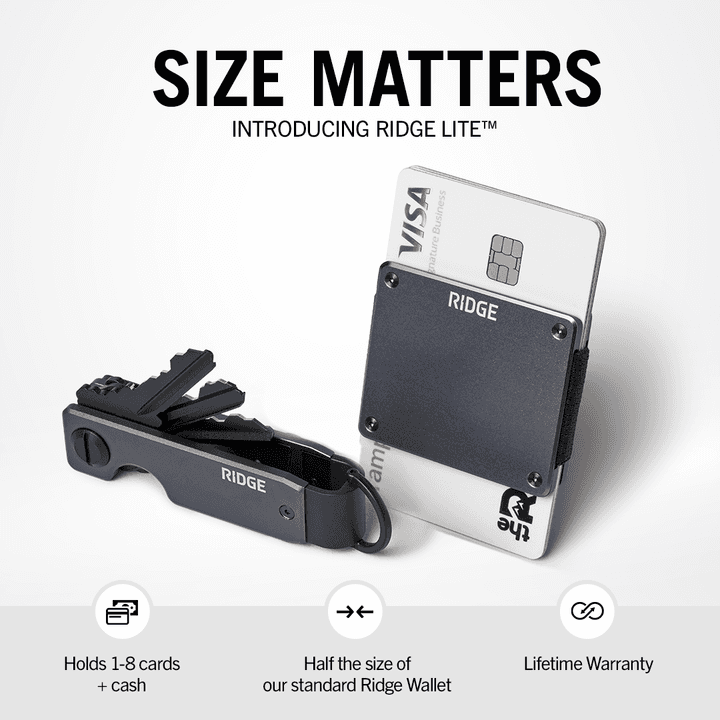
Use memes to your advantage. Well-known memes are the base of modern good marketing if you want to reach a younger audience fast.

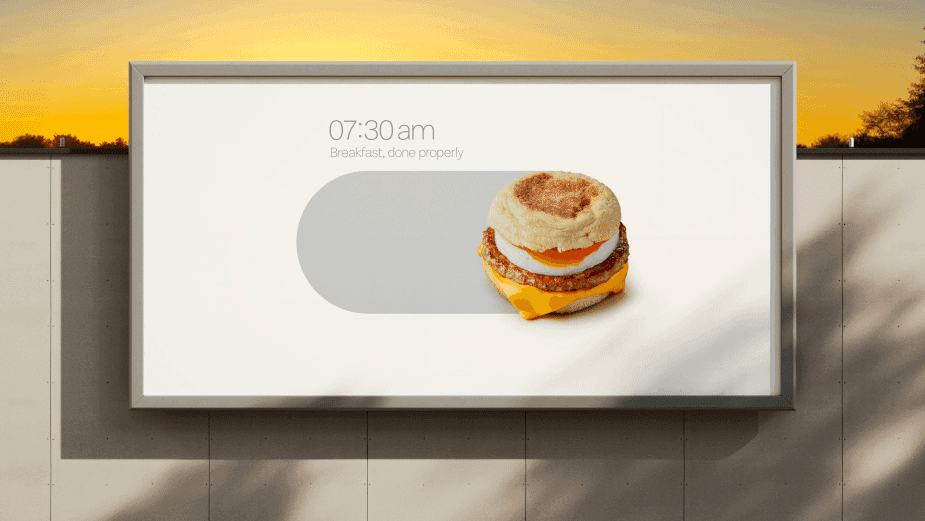
Showing the benefits instead of the actual product. It works to gain attention and grab it, and trust the customer to do the 'research' on what is behind an ad. (if it is not too familiar yet - like McDonald's)
Showing less is more these days. People tend to read 1-2-3 lines, but would not read on social media a long review on why your product is the best. As I call it, indirect marketing is the best.
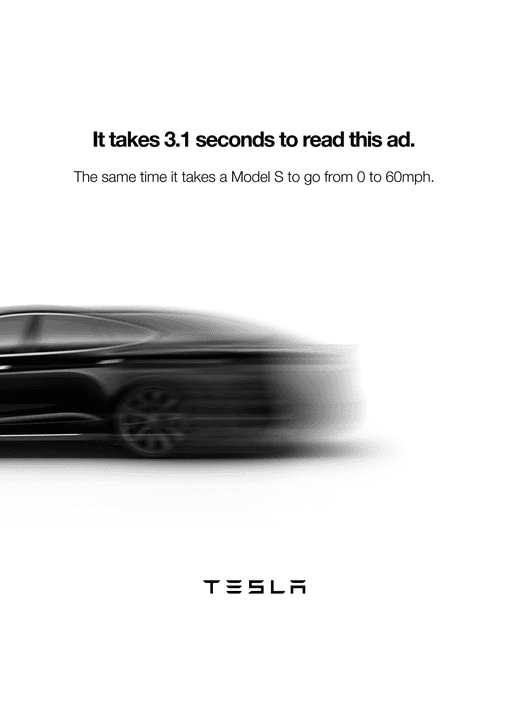
Connecting factual information on visual materials to highlight the strength of a product or service.
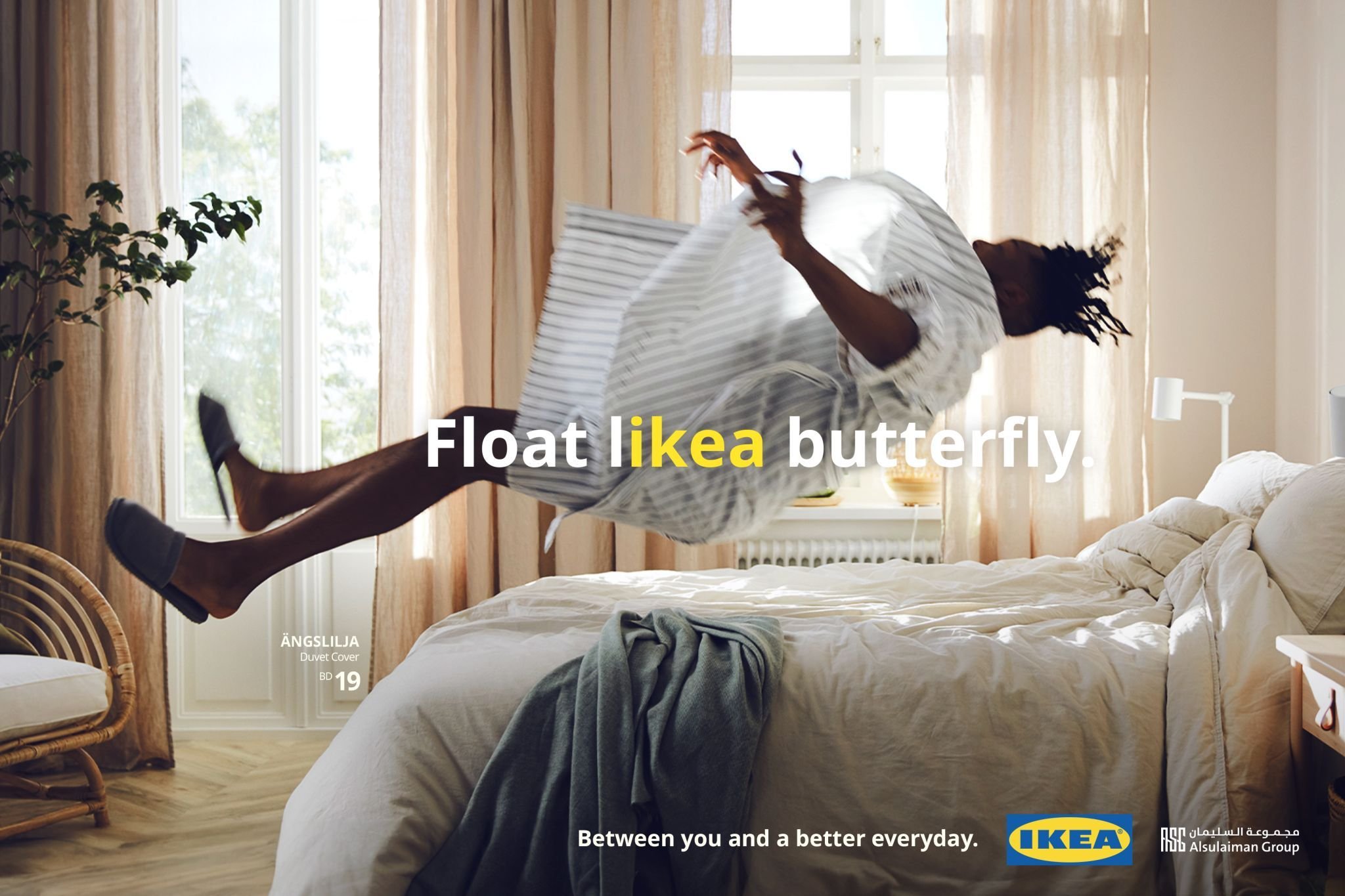
Use company name in its ads in a creative way to strengthen brand identity and familiarity.

An important note: AI's Transformational Effect on the Marketing and PR Industry
I wrote briefly about AI's effect on the industry as more companies would integrate it to some extent using its potential. It takes time to have a significant effect, but the premonitory signs are already here. Regarding marketing and PR, it will enhance customer engagement, create personalized experiences and help with service integration too.
Data-Driven Personalization
AI can go throw a bunch of large amounts of data in a short period, but how would it help? It can create - off that information - a personalized experience for the customer, tailored to their needs, which would affect conversion rates. One of the examples is Spotify's "Discover Weekly", which uses AI to analyze user habits to create playlists. This method resulted in a 30% increase in user engagement for them. Amazon uses AI algorithms to recommend products based on searches, and previous purchases.
Chatbots and Customer Service
AI-powered chatbots will provide customer service, with the potential of instant information transfer. The quicker the company communicates with its customers, the faster they have a potential sale. We already have a lot of examples, but a good one is H&M's Kik chatbot or Sephora's Virtual Artist Chatbot. The latter offers personalized beauty advice too.
Content creation
AI can create eye-pleasing images, and videos on social media, making the process faster, while maintaining the quality of work in a cost-efficient way. An example is Chase Bank, which partnered with Persado to generate marketing copy. Due to that, the content led to a higher click rate, than previously on human-written ones.
Predictive Analytics and Targeting
AI can predict future customer behavior based on data it has collected and create a personalized targeting strategy, which saves time, effort, and money on paid ad campaigns for companies trying to reach new customers. An example is Starbucks or Netflix reaching out to people on social media.
Visual recognition and AR
This is an important step towards reliability towards customer satisfaction and engagement. With the help of AI and AR, the customers can try, see products before even purchasing them from their sofa at home. A really good example is IKEA Place App that uses AR, or Snapchat's AR filters.
Insights for PR
AI can monitor media coverage and track brand reputation, as well as customer feedbacks in real-time. This enables companies to have a faster response to crises or to build a better reputation. An example is Cision's AI-powered software that helps businesses to track and analyze media content, mentions of which it collects insights and helps PR management make new decisions based on quickly collected data.
Sources
Collage Generations - 2024 Generational Demographics: https://members.collagegroup.com/wp-content/uploads/2024/01/CollageGroup_2024GenerationsDemographics_01.12.2024.pdf
World Economic Forum - There are 1.8 billion millennials on earth. https://www.weforum.org/agenda/2021/11/millennials-world-regional-breakdown/
Dimock, M. (2019). Defining generations: Where Millennials end and Generation Z begins. Pew Research Center. https://www.pewresearch.org
Dimock, M., & Parker, K. (2020). How generational trends have shaped society and will continue to influence the future. Pew Research Center. https://www.pewresearch.org
Fry, R. (2020). Millennials overtake Baby Boomers as America’s largest generation. Pew Research Center. https://www.pewresearch.org
McCrindle, M. (2020). Understanding Generation Alpha. McCrindle Research. https://mccrindle.com.au
United Nations. (2022). World Population Prospects. UN Department of Economic and Social Affairs. https://population.un.org
Gallup. (2021). How Millennials want to work and live. Gallup Research. https://www.gallup.com
Kotler, P., & Armstrong, G. (2020). Principles of Marketing (17th ed.). Pearson.
Lepore, C. (2022). How to Create Emotional Marketing Campaigns that Work. HubSpot Blog. https://blog.hubspot.com
Heath, C., & Heath, D. (2007). Made to Stick: Why Some Ideas Survive and Others Die. Random House.
Cialdini, R. (2016). Pre-Suasion: A Revolutionary Way to Influence and Persuade. Simon & Schuster.
Forbes (2022). What Makes a Successful Marketing Campaign?
Adweek (2022). Top Marketing Campaigns: The Best of Creative Ads This Year. Adweek. https://www.adweek.com
The Ad Professor (@The_AdProfessor) https://x.com/The_AdProfessor
Forbes (2023) - "How AI Is Transforming Digital Marketing in 2023"
McKinsey & Company (2022) - "AI-powered Marketing: A Game Changer for Growth"
Harvard Business Review (2021) - "AI Can Help You Deliver a Better Customer Experience"